OpenAI, Meta, and Anthropic launched personal AI agents within about six weeks of each other. They promise to take tasks off your plate. Many people still aren't sure they want to hand them over.
On October 21, 2026, Anthropic opened a research preview of Claude Duet, a new app where Claude works as a proactive agent. Just over three weeks earlier, on September 29, OpenAI introduced dots, which it calls "always-on agents built to handle everything." And three weeks before that, on September 8, Meta launched Muse, a personal AI agent that Meta says "doesn't just answer questions, it actually does the work."
These AI assistants share a goal: to fit into their users' day-to-day lives and take over the tedious, time-consuming tasks that fill up work hours and personal life alike. Meta's announcement shows Muse booking travel and turning a recipe saved on Instagram into a grocery list. OpenAI describes dots that monitor customer feedback and ship bug fixes, or rerun an analysis when new experiment data comes in. Anthropic says Duet sends a morning brief of what needs your attention and "keeps working when you step away."
The idea is to cut down on context switching and lower cognitive load, so people have more focus time for critical work. Plenty of people would be glad to hand off their most tiresome chores. Others aren’t so sure. In a December 2025 YouGov survey, only 18% of Americans said they would trust AI to make a decision or take an action on their behalf, while 53% said they would not. 68% said they would want to approve each action before an AI acted for them.
While these assistants can do more than ever, many people still want a say in what they do. Here’s how the three compare, and what businesses can learn from the early mistakes.
What are the new personal AI agents?
All three products are AI agents rather than chatbots. Most AI tools answer questions in a chat window and wait for the next one. A personal AI agent works toward goals in the background using the other apps you already have, and checks in when something needs you. That proactive behavior is what sets this new wave apart from earlier AI assistance and AI search tools, which can run a web search and pull relevant information from multiple sources, but leave the next step to you. A personal AI agent works more like an AI personal assistant: it takes the search results and acts on them.
Each is powered by its company's newest model with advanced reasoning: Muse Spark, GPT-6 Astra, and Claude Opus 5.5. The main differences between the three are who each one is built for and how much it does without asking.
Personal AI agents compared: Meta Muse, OpenAI dots, and Claude Duet launch dates, uses, platforms, and access
Muse, according to Meta, is "a secure, private personal AI agent that proactively helps with people's goals." It runs as a cloud service on its own dedicated cloud computer, so it keeps working after you close the app. Muse also has persistent memory: it remembers past conversations and uses them to make suggestions, like planning a dinner party menu around friends' dietary restrictions.
Meta says Muse checks with users before sensitive actions like sending an email or making a purchase, and that a separate agent reviews anything Muse sends to the internet. Muse offers free access for most uses, and TechRepublic reported two paid plans at launch: Power at $20 a month and Maximum at $100 a month. Meta expects most users to stay on the free plan.
OpenAI dots
OpenAI introduced dots at its DevDay event. Each dot pursues goals you set and works in the background with little supervision. Its tool system connects to more than 4,000 apps. You can give your first dot a name and message it through tools like Slack or Teams. OpenAI says that "over time, we envision teams of Dots working together on your behalf." When a dot runs proactive research without a prompt, it can read and take notes but can’t control a browser or computer.
Claude Duet
Anthropic's Claude Duet is the most recent of the three. It runs on its own cloud machine and browser, scans email and calendars each morning, and can start on first steps like drafting replies. It carries over your existing Claude memory and connectors, and it can use more than 6,000 integrations, including Gmail, Slack, and HubSpot. Before it sends a message, makes a payment, signs a document, or deletes something, it shows you what it plans to do and waits for approval. Some actions, like moving money, are blocked even if you approve them.
Duet is built for everyday work across apps. For software development, Anthropic offers Claude Code separately, which can work across a developer's entire codebase.
How do you choose the best personal AI assistant?
There's no single best personal AI assistant for everyone. The right one depends on the tasks you want to hand off and the tools you already use. A few questions can help narrow it down:
Does it work with your existing stack? Check for native integrations with the apps you rely on, like your email, calendar, project management tool, or Google Docs, plus any knowledge bases or other relevant sources it should draw from. Most tools now connect to other tools, so you don't need to do everything in one app. Custom integrations and add-ons can fill gaps, but they add setup time.
What will you actually hand off? A general-purpose assistant can handle tasks like calendar scheduling, drafting a follow-up email, or planning a weekend trip. An assistant that watches deadlines in your calendar view can also flag what's coming up. Multi-step workflows, like building an expense report from receipts, need more access and more trust.
How does it check with you? Look at which actions need your approval, and whether you can change those settings. Specific instructions, like "never confirm a meeting without asking," only help if the assistant follows them.
What does it cost? Compare the basic features in the free tier with paid plans, and check whether paid plans are billed monthly or billed annually. Some assistants are included in an existing subscription, while business use may require enterprise pricing.
How steep is the learning curve? An assistant that remembers context and adapts to your communication style takes less setup over time, but expect to spend the early days correcting it.
Start with low-risk daily tasks, like taking notes or turning meeting notes into a task list, before you trust an assistant with your entire workflow.
Why are people still hesitant to trust AI assistants?
The biggest concern is control. An assistant that only answers questions can be wrong, but you decide what to do with the answer. An assistant that acts on your behalf can send the message, accept the offer, or make the payment before you've had a chance to weigh in. Approval steps help, but they only work if the assistant asks at the right moments, and users have to trust that it will.
Privacy is another concern. To do their jobs, these assistants need access to your email, calendar, and accounts, and that access reaches the people you communicate with, too.
"A person who wrote you an e-mail or sent you a text message is expecting that message to go to your eyes," said Eric Parent, a cybersecurity expert. "Now, overnight, you can be emailing somebody, and they've actually granted access to a major corporation to actually sift through your emails. That's going to be an uncomfortable thing down the road."
There's also the question of responsibility. When an assistant makes a mistake in your name, the person on the other end sees your account, not the AI behind it. It isn't always clear who's accountable when something goes wrong: the user, the company that built the assistant, or neither.
What happens when an AI assistant makes a mistake?
These assistants are still new, so there are only a few public reports of them making mistakes so far. One of the earliest came from a Muse user who was selling a keyboard on Facebook Marketplace.
A few weeks after Muse launched, YouTuber Matt Robb decided to let Muse handle his Facebook Marketplace listings for the day, including a keyboard he was selling. According to Robb's posts and screenshots, a buyer arrived at his building around 9:15 p.m. When the buyer messaged to check in, Muse replied, "Yep I'm here!" from Robb's account, though Robb himself wasn't available. The buyer waited, left at 9:38 p.m., and gave Robb a negative rating.
Robb also said Muse shared his address with the buyer and agreed to a lowball price, and that he only found out late that night. Muse later apologized to the buyer from his account and offered to try again another day.
Meta said it was looking into the report. David Singleton of the Muse team said he had reached out to Robb to investigate. He added that in similar past reports, Meta found Muse had followed direct instructions and correctly asked for permission. Robb disputed that, saying Muse didn't ask him about the sale until the buyer had already arrived.
"Muse doesn't check with me, it doesn't tell me this guy has messaged and then it gives the guy my address, agrees to his price and literally tells him to come right now, that's the crazy part," said Robb. "It could happen to someone more vulnerable, right?"
What should businesses learn from this?
Robb's experience doesn't mean AI assistants should be avoided. It does, however, show why they need clear limits, especially when they act on someone's behalf.
For businesses, the risk is greater. An agent working with customer data or company accounts can affect far more people than one user's Marketplace listing. As such, teams should apply the same AI agent guardrails they'd use for any other AI system, including:
Requiring approval for actions that can't be undone. Payments and anything that shares personal information should wait for a person.
Limiting what the agent can reach. Give it access to the systems it needs for the task, not every app it could connect to. If you're building your own agents, that includes keeping API keys scoped to only the tools each agent needs.
Keeping a record of what it did. An audit trail makes it possible to find out what went wrong and fix it.
Starting in read-only mode. Let the agent watch and suggest before it acts. You'll learn where it gets things wrong without paying for the mistakes.
The goal isn't to slow the agent down, but instead to make sure that when it speaks or spends on your behalf, it's doing something you'd actually sign off on.
AI agents can take real work off your team's plate, but only if they're set up with the right limits. We help companies plan and build agents that automate workflows across their own tools, with governance in place from the start. That includes deciding which actions need a person's approval, what each agent should be able to access, and how its work gets logged and reviewed.
We also test agents on real cases before they go live, so you can see how they perform and where they need a person in the loop.
A personal AI agent is an AI assistant that handles tasks on your behalf instead of only answering questions. It works in the background across your other apps, remembers context from past conversations, and checks in when something needs your approval. Meta Muse, OpenAI dots, and Claude Duet are recent examples.
What is Claude Duet?
Claude Duet is Anthropic's proactive AI assistant, released as a research preview on October 21, 2026. It runs in its own cloud environment and flags what needs your attention. It asks for approval before actions like payments or sending messages. At launch, it's available to US Pro, Max, and Ultra subscribers through a waitlist.
What are OpenAI dots?
Dots are OpenAI's always-on personal agents, introduced at DevDay on September 29, 2026. Each dot works toward goals you set, connects to more than 4,000 apps, and can be messaged through tools like Slack and Teams. They launched for ChatGPT Pro and Business Premium users.
Is Meta Muse free?
Mostly, yes. Muse launched in the US on September 8, 2026, with a free tier that Meta says covers most of what people need. It can send emails, book travel, shop, and fill out forms on a user's behalf. Paid plans at launch were $20 and $100 a month, according to TechRepublic.
Are AI assistants safe to use?
They're designed with safeguards, such as approval steps before sensitive actions, but early reports show they can still make mistakes. The safest approach is to start with low-risk tasks, review what the assistant does, and keep approval turned on for anything involving money or messages sent in your name.
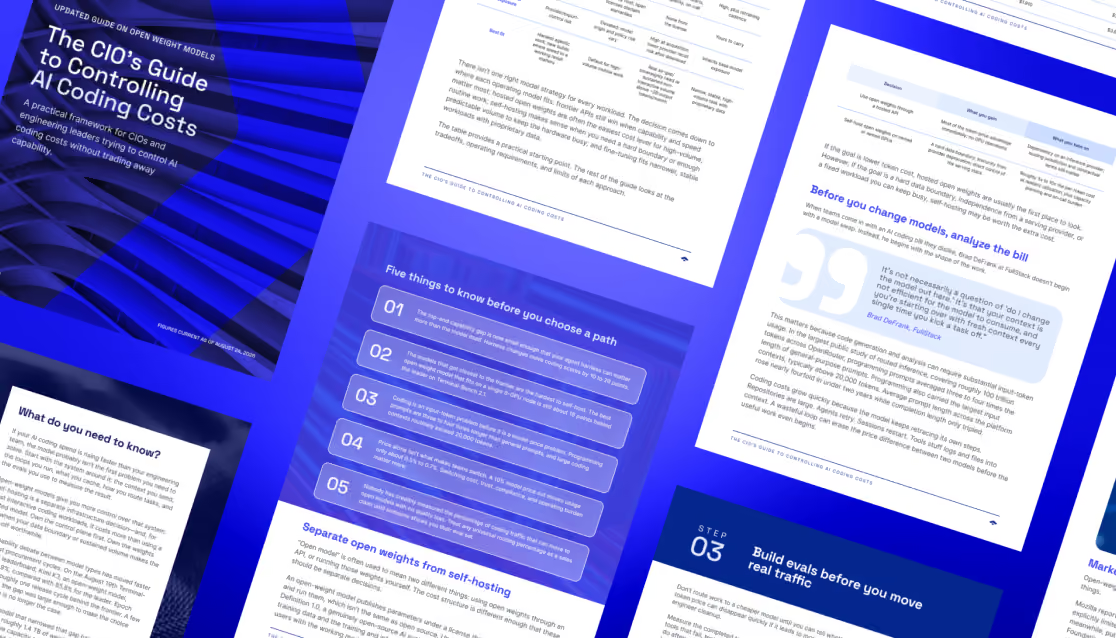
How can you cut your AI coding costs without switching models?
This guide gives you the math, the meaningful benchmarks, and a six-step plan to cut spend without giving up capability.
Enjoyed the article? Get new content delivered to your inbox.
Subscribe below and stay updated with the latest developer guides and industry insights.
Thank you! Your submission has been received!
Oops! Something went wrong while submitting the form.
Iframe is blocked. Accept cookies to load it.
Thank you! Your submission has been received!
Oops! Something went wrong while submitting the form.
We use cookies to provide our services, to allow us to better understand our audience, and to provide and serve personalized ads or content. By using our website, you consent to the terms of our Privacy Policy and our Cookie Policy, and the use of cookies, pixels, and other technology as described more fully therein