.svg)
What is NVIDIA Vera, and why does it matter for agentic AI?
NVIDIA Vera is a data center CPU built specifically for agentic AI and reinforcement learning workloads. It is designed for code execution, tool use, sandboxing, analytics, and orchestration tasks that sit around the model but drive most of the logic in multi-step agents. By delivering faster task completion than traditional x86 servers and pairing tightly with NVIDIA GPUs, Vera helps reduce CPU bottlenecks in AI factories so agents can plan, act, and iterate at scale.
How is the NVIDIA Vera Rubin platform different from a traditional GPU cluster?
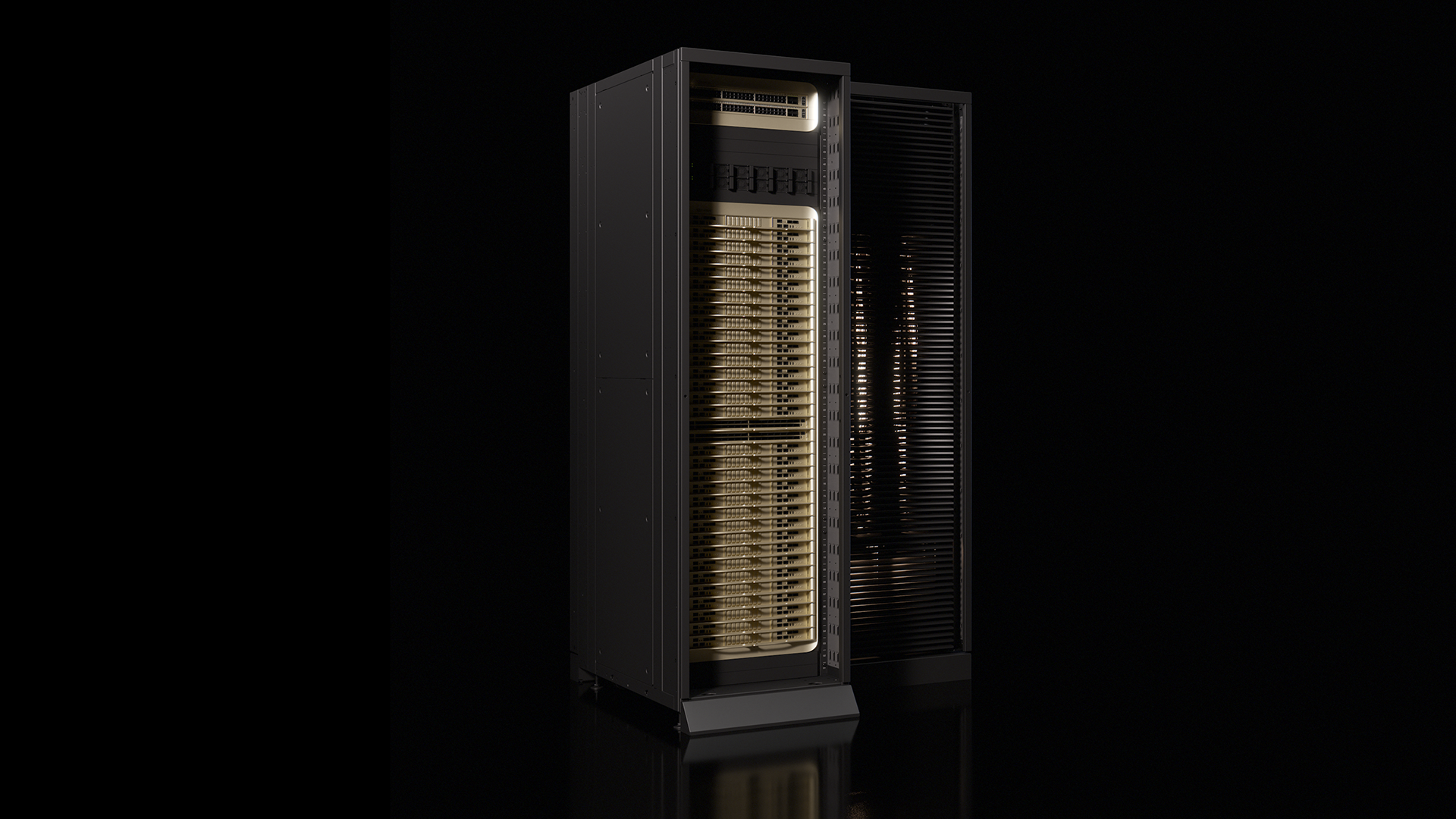
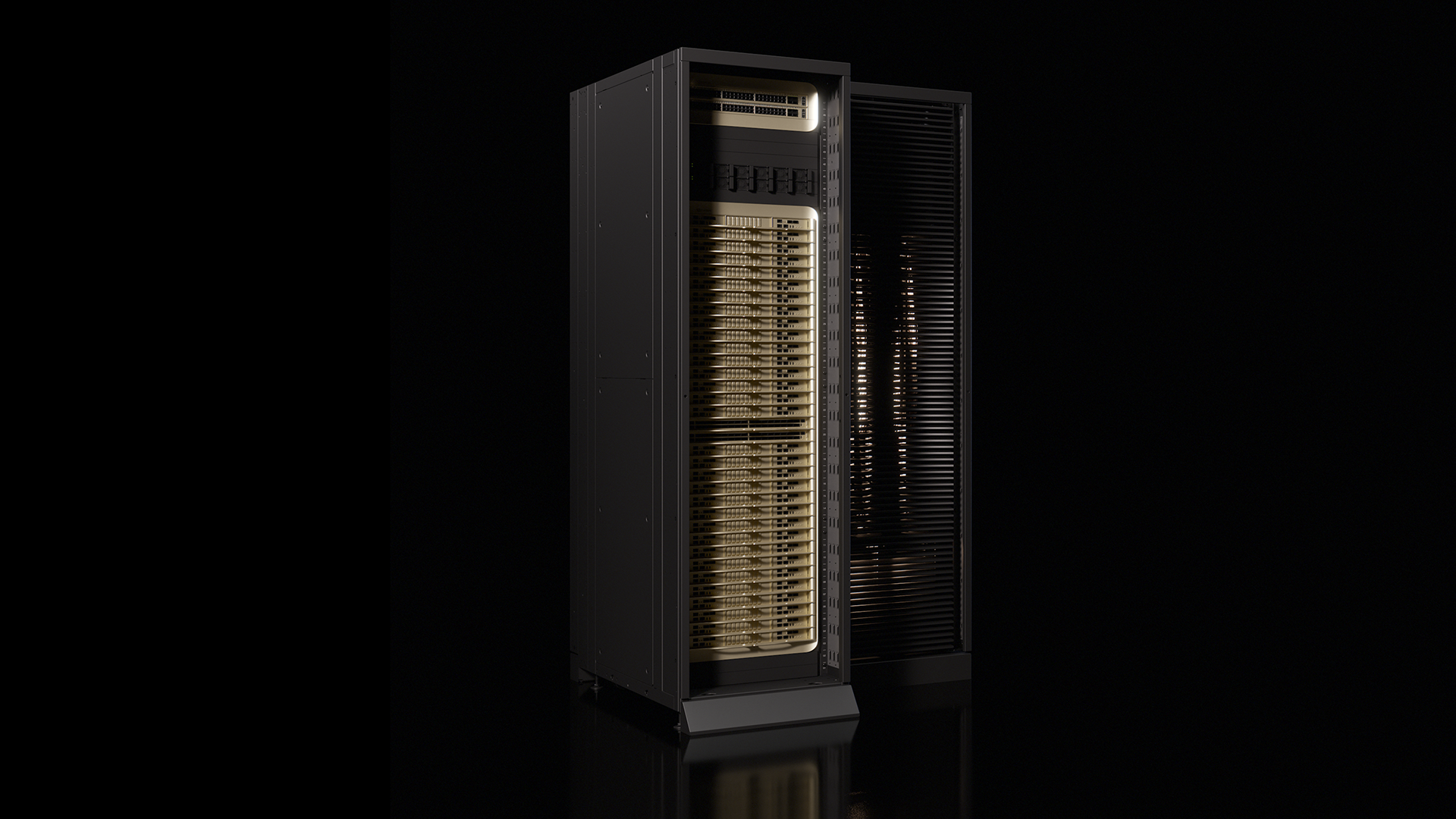
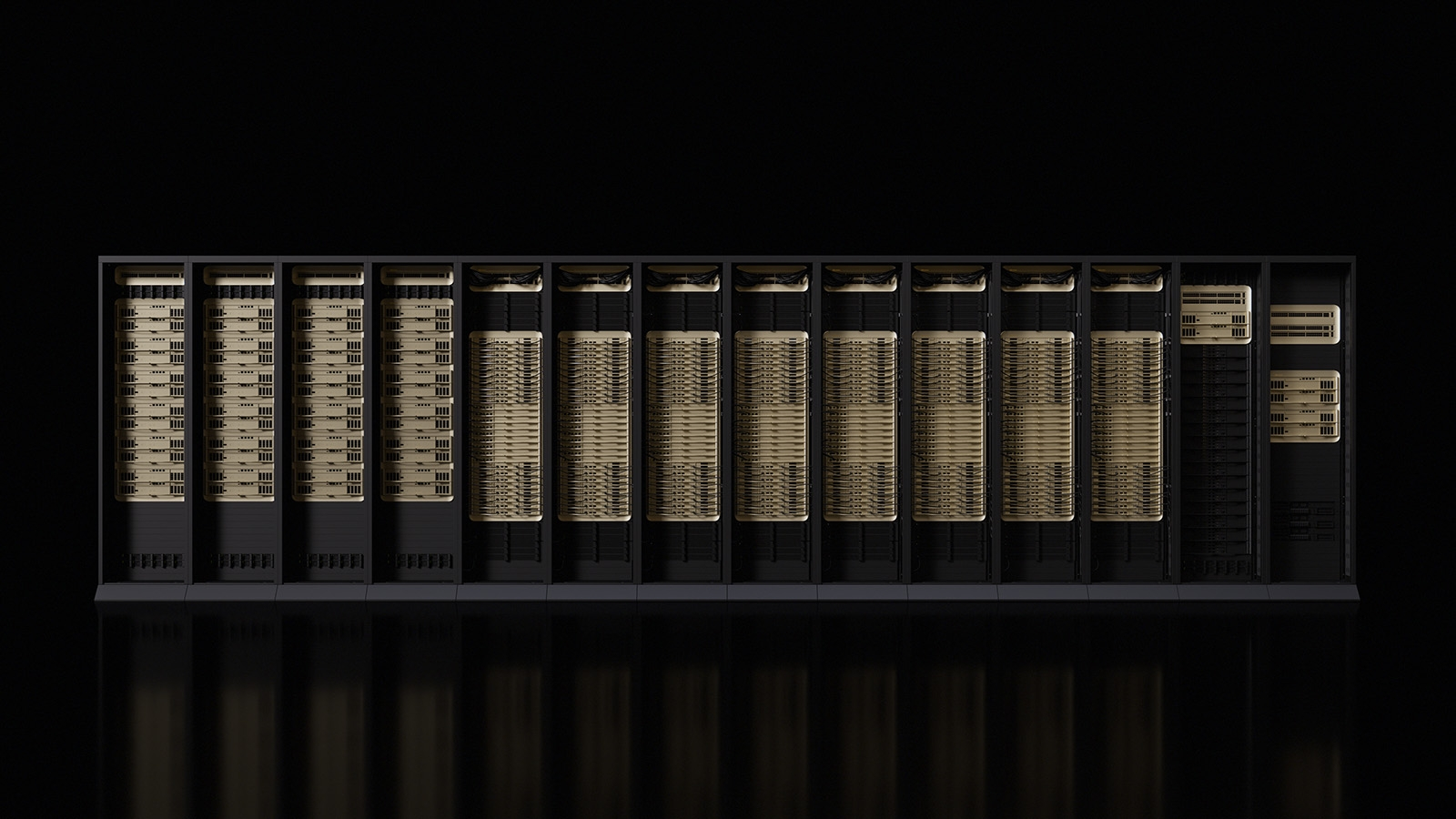
The NVIDIA Vera Rubin platform is a pod-scale system rather than a collection of standalone GPU servers. It combines Vera CPUs, Rubin GPUs, high-speed interconnects, DPUs, and Ethernet switches into multiple purpose-built racks that are designed, tested, and operated as one AI supercomputer. By treating the rack as the basic building block—rather than an individual server—Vera Rubin can deliver higher internal bandwidth, more predictable power and cooling, and more consistent performance for large-scale reasoning workloads.
What does NVIDIA mean by an “AI factory,” and how does Vera Rubin fit in?
NVIDIA uses the term AI factory to describe specialized infrastructure that manages the entire AI life cycle, from data ingestion and training to inference and continuous improvement. In this model, the “product” is intelligence measured in tokens, recommendations, or actions, not just FLOPs. Vera Rubin is NVIDIA’s reference implementation of an AI factory for the agentic era: a tightly integrated stack of compute, storage, networking, power, cooling, and orchestration software that is delivered as a pod-scale platform.
How does Vera Rubin address power efficiency and “tokens per watt”?
NVIDIA is explicit that Vera Rubin is designed around power budgets and “tokens per watt,” not only peak benchmark numbers. The Vera Rubin DSX AI factory reference design, along with Max‑Q and Flex tools, focuses on maximizing usable computing output and token performance within fixed power envelopes. That means the platform is meant to help teams plan AI capacity around real-world energy and facility constraints, making it easier to scale agentic workloads without overbuilding data center infrastructure.
What should enterprise teams consider before adopting the Vera Rubin and Vera stack?
Enterprise teams should look at Vera Rubin and Vera through both a technical and strategic lens. On the technical side, key questions include how a Vera-based AI factory fits with existing x86 fleets, cloud commitments, networking standards, and internal MLOps tooling. On the strategic side, leaders need to weigh power budgets, facility readiness, and the implications of aligning closely with a single full-stack vendor. Mapping NVIDIA’s AI factory model against internal goals for flexibility, risk, and long-term cost can help determine whether Vera Rubin becomes a core platform or one of several pillars in the organization’s AI roadmap.
